
A real-world sighting of BMW’s electric X5 underlines how distinctive lighting graphics are becoming central to new-model recognition.
Source date: 9 October 2026 (significant catch-up) | Status: Production-model preview
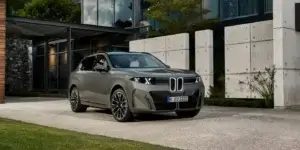

A signature that survives the showroom
A reported sighting of the new BMW iX5 testing ahead of its US launch offers a useful reminder that a lighting feature has to work on an actual vehicle, not just in a studio render. The electric X5’s distinctive Double-X headlamp graphic is immediately recognisable in the published images. That is the feature’s commercial purpose: to give a familiar SUV line a new visual marker while keeping the vehicle identifiable as a BMW.
A new family resemblance
The fifth-generation X5 family spans multiple powertrain types, with the iX5 bringing an electric version into the range. BMW’s wider design strategy increasingly relies on lighting to connect otherwise different models. That creates a balancing act. A recognisable family signature can support brand consistency, but the treatment still needs to suit each vehicle’s proportions. A tall SUV front end offers a different optical and styling canvas from a low saloon, and the signature must remain legible at realistic viewing distances.
What a road sighting can tell us
The October report describes a vehicle seen outside the controlled conditions of a motor-show stand. That makes the images valuable as a design reference, though not a substitute for technical data. They can show the graphic, proportions and visual prominence of the lamp, but cannot establish luminous intensity, beam performance, thermal behaviour or durability. Those engineering questions require manufacturer specifications and testing. The distinction matters because automotive lighting coverage often moves too quickly from striking photography to claims of functional superiority.
Design integration becomes the product
A Double-X motif may appear simple to the customer, but a distinctive graphic is rarely free of packaging constraints. Headlamp teams must fit functional beams, signalling and daytime-running-light elements into an assembly that also satisfies aerodynamic, crash, sealing and service requirements. The front fascia must maintain a coherent appearance when the lamps are switched off. This last point is easily overlooked: the best lighting signatures work as designed surfaces by day and illuminated forms at night.
Why the premium market cares
Lighting provides one of the few instantly visible differences between successive generations of a car. Wheels, screens and software may require closer inspection, but a new lamp graphic can be recognised across a road or car park. That makes the signature a valuable brand asset and a recurring source of investment for premium manufacturers. It also gives suppliers a route into early styling conversations, where the eventual lamp package can influence the shape of surrounding body panels.
What to watch next
A fuller assessment should compare official imagery with customer vehicles after launch, including the unlit appearance and the signature viewed at distance. The practical questions include how the motif is divided between lighting functions, whether it changes by trim level and how easily a damaged assembly can be serviced. None of those details can be settled from a sighting alone, which is why this remains a design-led report rather than a technical performance review.
The Lux View
The iX5 sighting is not evidence of a new light-source breakthrough. It is evidence of something commercially important: manufacturers continue to spend design capital on recognisable, vehicle-specific lighting. The strongest coverage should assess whether a signature succeeds in the real world and how it integrates with the vehicle, not merely celebrate the LED technology hidden behind it.
Publishing information
Source and research links
https://electrek.co/2026/10/09/bmw-ix5-spotted-ahead-of-us-launch-new-double-x-lights/